
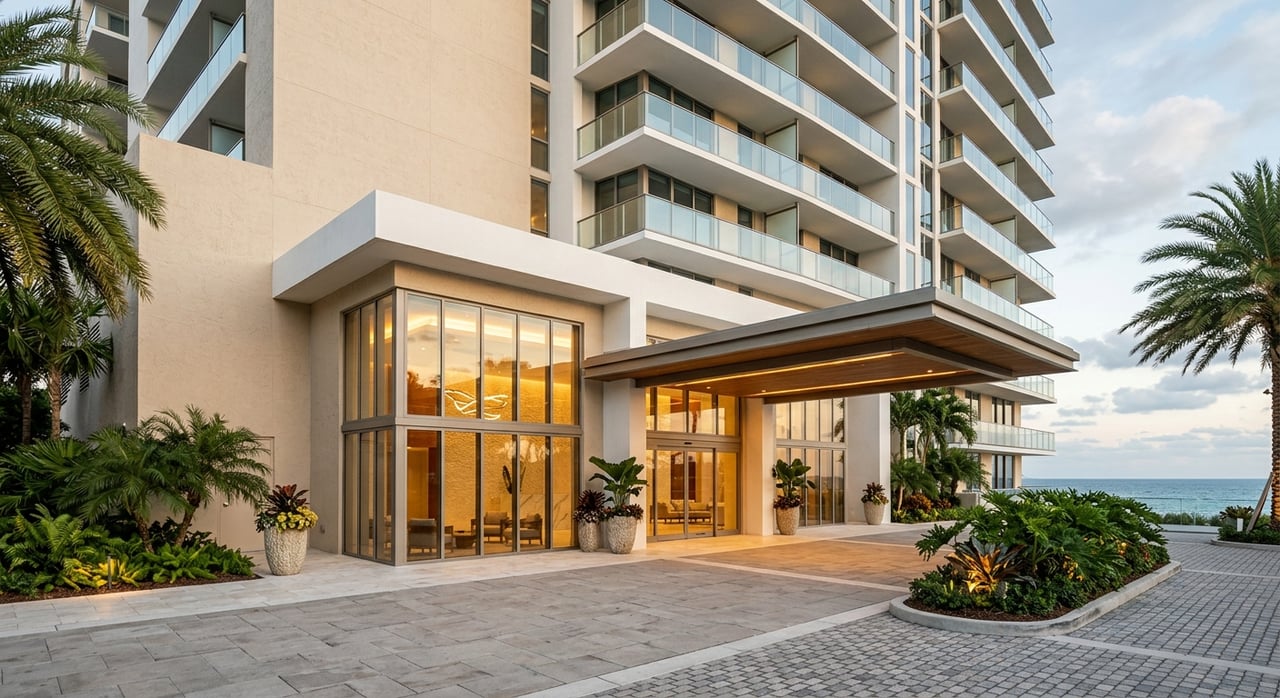
Buying a second home in Pelican Bay can look simple from the outside. You see beautiful towers, beach access, and resort-style amenities, and it is easy to assume one building is much like the next. In reality, your day-to-day experience, carrying costs, rental flexibility, and resale outlook can vary a lot from tower to tower. This guide will help you understand how Pelican Bay high-rises are structured, what the main tower clusters offer, and which details matter most before you buy. Let’s dive in.
How Pelican Bay High-Rise Ownership Works
If you are buying in Pelican Bay, you are not just buying into one condo building. You are also buying into a larger community framework led by the Pelican Bay Foundation, which includes about 6,500 residences across 95 associations, nearly 88 acres of parks and recreation areas, and almost 3 miles of private beach.
That master structure is a major part of what makes Pelican Bay so appealing for second-home owners. The Foundation also operates the community’s beach system, including daily beach service and an open-air tram network with eight stations that makes more than 900,000 trips each year.
For budgeting, it is important to know that the Foundation fee is only one layer. The Foundation’s 2026 budget shows a total annual assessment of $3,295 per assessable unit, but your true cost of ownership can also include tower HOA fees and, in some cases, club or sub-association dues.
Why Fee Stacking Matters
For second-home buyers, the monthly cost is often just as important as the purchase price. A tower with a lower entry price can still carry a higher long-term ownership cost if it has multiple layers of dues or more service-intensive operations.
That is especially relevant in Pelican Bay because some buildings sit inside additional membership structures. If you want a lock-and-leave property, make sure you compare the full fee stack, not just the headline condo dues.
Main High-Rise Options in Pelican Bay
Pelican Bay’s high-rise inventory generally falls into a few distinct categories. Each one offers a different mix of privacy, age, amenities, and carrying costs.
Bay Colony High-Rises
Bay Colony is Pelican Bay’s only private gated beachfront community. According to Bay Colony’s official community information, it includes 11 luxury condominium buildings, made up of 6 beachfront and 5 bayfront towers, along with its own Beach Club and Tennis Club.
For many seasonal buyers, Bay Colony feels the most resort-like and private. The Bay Colony Beach Club sits on two miles of beach and includes beach service, a pool, Sunset Terrace, Chickee bar, and indoor dining.
Representative buildings show the range within this enclave. Contessa, for example, has 76 residences with four per floor and direct Gulf presence, while Carlysle offers 75 residences with preserve and Gulf views. Salerno has 69 units, 24-hour concierge and security, guest suites, and two enclosed parking spaces per residence.
Other well-known Bay Colony towers include Trieste, a 19-story building with 105 residences, Brighton with 75 beachfront residences, Toscana with 65 units and private elevators, and Remington positioned between the Beach Club, Tennis Club, and the Ritz-Carlton.
In practical terms, Bay Colony is often the highest-carrying-cost option because you may be layering Pelican Bay Foundation dues with Bay Colony obligations and Beach Club costs. For buyers who value privacy, direct beachfront access, and a more club-oriented lifestyle, that can still be the right fit.
New Ultra-Luxury Towers
If you prefer newer construction, Pelican Bay also has a small set of ultra-luxury high-rises that stand apart from the legacy tower inventory. These properties are especially relevant if you want modern floor plans, newer systems, and a more current amenity package.
Mystique is a 20-story tower with 81 residences, including Estates, Penthouses, a SkyEstate, and Jardin residences. Epique is its sister tower and the last new ultra-luxury high-rise development in this part of Pelican Bay, with 56 SmartEstate residences, four penthouses, eight Jardin residences, 24/7 staffing, a private dining club, and a full floor of indoor and outdoor social and wellness amenities.
For second-home buyers, this category often appeals because it can reduce the chance of stepping into near-term renovation projects that sometimes affect older buildings. It can also offer a more straightforward resale story for future buyers who prioritize newer finishes and amenity design.
Established Boutique and Service-Oriented Towers
Some buyers want a quieter, lower-density feel rather than the most club-driven or newest option. In Pelican Bay, that usually means taking a closer look at established boutique towers or buildings with a more service-oriented lifestyle.
The Heron is a strong example. It has only 40 residences, two units per floor, and broad views from one of the highest points in Pelican Bay. Owners access the beach through a gated walkway to the berm, then can take the tram or walk to beach activities.
On-site, The Heron includes a pool and spa, renovated fitness room and sauna, tennis and pickleball, a social room, two guest suites, secure garage parking, and a flood-protection system for lower levels. That combination can appeal if you want lower density and strong amenities without the layered club structure of Bay Colony.
St. Raphael is another established option, with 178 units and professional management. Marbella at Pelican Bay stands apart from the typical seasonal condo choice because it is a 21-story, 118-unit retirement community with concierge-style services, multiple dining venues, a fitness center, pool, library, art room, and on-site assisted living at The Cove.
How to Think About Views
In Pelican Bay, the best view is not always the most obvious one. A direct Gulf-facing line is valuable, but it is not the only premium option.
Some towers offer layered outlooks that many buyers find just as compelling. Carlysle combines preserve and Gulf sightlines, Salerno overlooks the Gulf, Upper Clam Bay, and preserves, and The Heron offers Gulf, Clam Bay, and city views from a high-point site.
If you are comparing units, ask a few simple questions before focusing on the building name alone:
- Which direction does the residence face?
- Is the primary view Gulf, preserve, bay, golf, or city?
- How much does the floor height improve the sightline?
- Will you actually use sunset exposure, or do you prefer daytime light and privacy?
These details often shape daily enjoyment more than the tower name itself.
Beach Access Is Not Identical
One of Pelican Bay’s biggest advantages is its beach system, but not every building delivers that experience in the same way. The Foundation tram runs along a raised berm and boardwalks through the mangroves, creating a unique arrival to the beach.
That said, the path from your front door to the sand can feel very different depending on the building. Bay Colony adds its own Beach Club and service structure, while The Heron uses a gated walkway to the berm before owners ride the tram or walk.
If you are buying for seasonal use, this is worth experiencing in person. Two residences may both be described as having beach access, but the daily routine can feel very different.
Rental Rules for Second-Home Owners
If you think you may rent your property at any point, review the rental structure early. In Pelican Bay, the Foundation lease packet and lease process require submission at least 30 days before occupancy and include a $300 non-refundable processing fee.
The Foundation also notes that condo or neighborhood approval may be required, and membership privileges transfer to the renter during the lease period. That is important if you are weighing personal use against occasional rental income.
Individual towers can be more restrictive. For example, Remington requires prior board approval, allows one lease per calendar year, and has a 90-day minimum lease term. If flexibility matters, do not assume one building follows the same rules as another.
Renovation and Compliance Checks
Older Pelican Bay towers can offer excellent locations and views, but renovations should be treated as a governed process. The Foundation’s major project application requires approval for major work and sets a $5,000 fee for major renovations plus a $1,000 per year monitoring fee.
That can affect both your budget and your timeline after closing. If your plan is to modernize a unit right away, this should be part of your purchase analysis before you make an offer.
You should also confirm current building documentation tied to Florida safety requirements. The Florida Department of Business and Professional Regulation states that milestone-inspection deficiencies must begin repair within 365 days of the report, and structural integrity reserve studies are intended to help associations fund major repairs and replacements.
What the Market Snapshot Suggests
A January 2026 market snapshot showed Pelican Bay condos with 160 active listings, 225 closed sales over the prior 12 months, 8.53 months of supply, and an average closed price of $1.503 million. Bay Colony condos showed 25 active listings, 36 closed sales, 8.33 months of supply, and an average closed price of $5.788 million.
For buyers, that signals two things. First, Bay Colony clearly operates in a much higher price tier than the broader Pelican Bay condo market. Second, the overall condo market appears relatively inventory-rich, which may create room for careful comparison and negotiation.
A Smart Buying Checklist
Before you buy a high-rise second home in Pelican Bay, keep your review focused on the issues that most affect long-term satisfaction and resale.
- Compare the full fee stack, including Foundation, condo, and any club or sub-association dues
- Review lease restrictions and approval timelines
- Confirm renovation rules and project fees if updates are likely
- Check milestone inspection and reserve documentation in older towers
- Evaluate the exact line, orientation, and floor height
- Experience the beach route in person, not just on paper
- Match the building culture and amenity set to how you actually plan to live there
The right choice is usually not just the most impressive tower. It is the residence that aligns best with your use pattern, carrying-cost comfort, and future resale audience.
If you are weighing Bay Colony, newer luxury towers, or established Pelican Bay buildings, a clear side-by-side analysis can save you time and help you avoid expensive surprises. For a discreet, data-informed conversation about Pelican Bay high-rises and second-home strategy, connect with Knox Brothers.
FAQs
What fees should second-home buyers expect in Pelican Bay high-rises?
- You should expect the Pelican Bay Foundation assessment, which is $3,295 per assessable unit for 2026, plus each tower’s condo HOA fees and possibly additional club or sub-association dues.
What rental rules matter for Pelican Bay second-home owners?
- The Pelican Bay Foundation requires lease applications at least 30 days before occupancy and charges a $300 non-refundable processing fee, while individual towers may add stricter approval requirements, lease limits, or minimum rental periods.
What is the difference between Bay Colony and other Pelican Bay towers?
- Bay Colony is Pelican Bay’s only private gated beachfront enclave, with its own Beach Club and Tennis Club, and it typically carries a higher overall fee structure than other Pelican Bay high-rises.
What should buyers review before renovating a Pelican Bay condo?
- You should review the Foundation’s approval process, timing, and fees for major projects, including the $5,000 major renovation fee and the $1,000 annual monitoring fee.
What market data should buyers know about Pelican Bay condos?
- A January 2026 snapshot showed 160 active Pelican Bay condo listings, 225 closed sales over 12 months, 8.53 months of supply, and an average closed price of $1.503 million, while Bay Colony averaged $5.788 million with 25 active listings and 36 closed sales.
What makes one Pelican Bay high-rise view better than another?
- The strongest fit depends on your preferences for Gulf sunsets, preserve privacy, bay exposure, city views, and how much the floor height improves the sightline from a specific residence line.