
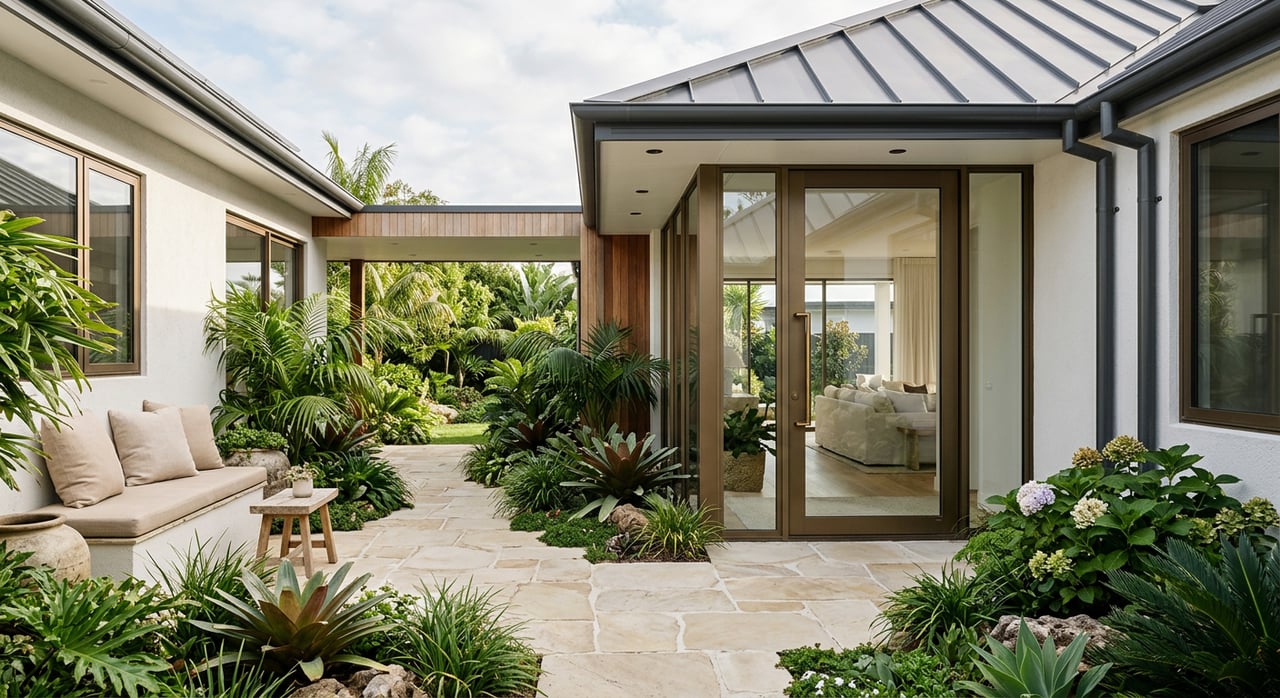
Trying to choose between a boutique condo and a beach‑close cottage in Olde Naples can feel like comparing two great lifestyles. One promises convenience steps from 5th Avenue South and the Pier. The other offers privacy, a yard, and room to personalize. You want a home that fits how you live now and how you plan to use it over time. In this guide, you will learn how to weigh lock‑and‑leave ease, legacy ownership, rental flexibility, and total cost so you can decide with confidence. Let’s dive in.
Olde Naples at a glance
Olde Naples is a compact downtown and beachfront district known for walkability, small blocks, and quick access to the Gulf, 3rd Street South, and 5th Avenue South. You will find historic cottages on small lots, low‑rise boutique condominiums, and select penthouses near the beach and core retail corridors. Product mix and proximity drive pricing and carrying costs.
Local market reports over 2024 and 2025 showed more inventory and a shift toward balance after the pandemic surge. Condo pricing has been more volatile than single‑family in some periods, and days on market have lengthened in certain months. The key takeaway for Olde Naples is simple: location and building services can create wide price dispersion within 34102, especially near the beach and along Gulf‑proximate streets.
What you get with a boutique condo
Lock‑and‑leave convenience
Many boutique, low‑rise buildings handle exterior maintenance, landscaping, common systems, and often package handling or basic security. If you plan seasonal or part‑time use, this setup keeps ownership light and predictable. You can arrive, enjoy the beach and downtown, and lock up when you leave.
Ongoing costs and fees
Condo owners pay monthly association fees that typically include some combination of building insurance for common elements, exterior maintenance, landscaping, reserves, and sometimes utilities or staffing. Fees vary widely based on age, location, and amenities. Local listings commonly show ranges from a few hundred dollars per month to several thousand for buildings with more services. Always request the latest budget, reserve study, and 12 months of financials to see what you are truly buying.
Risks to check first
- Special assessments and reserve shortfalls can change your total cost quickly. Florida’s recent reforms require many associations to fund structural reserves and complete milestone inspections on buildings three stories or higher. Underfunded reserves, pending capital projects, or litigation can all raise carrying costs. Learn why reserves and capital planning matter by reviewing guidance on association reserves and governance from industry resources like the State of Florida Property Management Association. Read the reserves overview.
- Buildings subject to milestone inspections must comply with state statute. Ask for structural integrity reserve studies, recent inspection summaries, and any notices about Phase 2 findings. Review the statute summary for milestone inspections and reserve requirements.
What you get with a penthouse or full‑service condo
Service, security, and simplicity
Penthouses and full‑service residences often layer in concierge, valet, staffed security, and resort‑style amenities. If you value onsite support and a turnkey experience, the tradeoff is usually higher monthly fees that fund services, staffing, and robust reserves.
What to verify
Request the master insurance policy, reserve and structural reports, a list of upcoming capital projects, and the last year of association minutes. Confirm parking and storage allocations, guest policies, and any rental limitations that affect your plans. In well‑run buildings, transparency and stable reserves reduce the risk of surprise assessments.
What you get with a single‑family cottage
Space, privacy, and personalization
Cottages offer private outdoor space, architectural character, and the freedom to personalize. Many are not in large master HOAs, which gives you more control over improvements. If you want room for gardening, a pet‑friendly yard, or an outdoor kitchen, a cottage stands apart from condo living.
Ownership responsibilities and costs
As the sole owner, you handle exterior maintenance, landscaping, hurricane prep, and all repairs. Costs are episodic and can be significant in coastal settings. Flood zone and elevation also matter for cottages on low lots. Collier County’s floodplain resources make it easy to check parcel‑specific flood maps and base flood elevations. See Collier County’s floodplain management resources.
Zoning and redevelopment
Olde Naples lots near the beach can be attractive for expansion or replacement. Before you assume you can add space, confirm setbacks, any historic considerations, and zoning. Small lots and current code may limit the scale of renovations.
Rental flexibility in the City of Naples
Short‑term rental rules vary by state, county, city, and association. In Olde Naples, properties are inside City of Naples limits, which is decisive for what is allowed.
- City of Naples defines “transient lodging” and applies zoning that often requires a 30‑day minimum for rentals in many residential zones unless otherwise authorized. Always confirm parcel‑level zoning and any specific approvals before planning weekly rentals. Review the City’s transient lodging code section.
- Collier County’s vacation rental registration program applies only to unincorporated areas. City of Naples properties are exempt from the County registration, but state licensing and taxes may still apply. See Collier County’s rental registration overview.
- State rules can require licensing if you rent transiently more than three times per year for stays under 30 days, and taxes generally apply for leases of six months or less. Review Florida short‑term rental licensing and tax basics.
Bottom line: rental permissibility is address specific and association specific. Verify City zoning, building or HOA rules, and state requirements before you plan on rental income.
Insurance, inspections, and reserves that change the math
Condo inspections and reserves
Florida’s post‑Surfside reforms require milestone inspections and structural integrity reserve studies for many condo buildings three stories or higher. These documents affect monthly fees and assessments and must be provided to buyers in many situations. Ask for the latest SIRS, inspection summaries, any Phase 2 findings, and the reserve funding plan. Read the current statute overview.
Flood maps, elevation, and premiums
Updated coastal flood maps took effect in 2024. Flood zone and base flood elevation influence mortgage requirements and flood insurance pricing whether you choose a condo or a cottage. Request elevation certificates where available and confirm the parcel’s status on county GIS. Check Collier County floodplain guidance.
Wind mitigation support
Insurance in coastal Florida remains a key cost to model. State mitigation programs can help some owners harden homes and potentially lower wind insurance premiums. Explore eligibility and program details and get quotes early in your process. Learn about the My Safe Florida Home program and updates.
Homestead and renting
If you plan to claim a Florida homestead and also rent the property, understand that renting all or substantially all of the dwelling can be treated as abandonment of homestead under state law. The statute includes a two‑year threshold for rentals over 30 days per year. Speak with your tax advisor about your plans. See the homestead statute chapter.
Total cost of ownership: a simple comparison
Use a single worksheet to compare offers side by side.
- Monthly carrying cost = HOA fee (if any) + owner‑paid insurance (wind and flood if needed) + property tax divided by 12 + estimated maintenance + property management fees (if renting).
- Scenario A, full personal use: model 12 months of fixed costs and a seasonal maintenance reserve.
- Scenario B, rental plan: add realistic net rental income after platform fees, management, utilities, cleaning, and vacancy. Use conservative occupancy and nightly rates based on local managers and rules that apply to your address.
This simple math reveals how a boutique condo’s predictable monthly fee compares with a cottage’s episodic but controllable costs.
Quick decision framework
Use these questions to match lifestyle to property type.
- How often will you use it? If you plan 2 to 4 months per year, a condo or full‑service residence often fits because of lock‑and‑leave ease. For full‑time living, many people prefer a cottage for privacy and outdoor space.
- Do you want short‑term rental income? Start with City zoning and the building’s rental rules. Many City of Naples residential zones use a 30‑day minimum. County registration applies only in unincorporated areas. If rental flexibility is a must, verify it before touring.
- How important is a private yard and custom architecture? If that is a top priority, a cottage wins. If convenience and services rank higher, a boutique condo or penthouse may be the better fit.
Sample profiles to pressure‑test your choice:
- Snowbird couple, 3 to 4 months per year: prioritize proximity, building staff, emergency planning, and unit storage. A boutique or full‑service condo usually fits.
- Downsizing local owner: value single‑level living, storage, and a yard. A small cottage near core amenities can be ideal.
- Investor or part‑time owner: focus on verified rental permissions, address‑specific rules, and realistic net income. Only proceed where code and association documents support your plan.
- Legacy buyer: seek predictable long‑term carrying costs and simple transfer rules. For condos, request 5 years of assessments and minutes. For cottages, confirm roof age, drainage history, and permitted work.
Due diligence checklist before you tour
Request documents early so you can compare with clarity.
For condos:
- Association budget, latest reserve or structural integrity reserve study (if building is three stories or higher), 12 months of financials, last 12 months of minutes.
- Master insurance declarations, any milestone inspection reports, and evidence of any proposed or outstanding special assessments. See an overview of reserve and inspection considerations.
- Parking and storage allocations, rental rules, and lease registration steps.
For cottages:
- Recent inspection or engineer reports, any elevation certificate, drainage or sewer information, and permits for prior renovations.
- Parcel‑level flood map status and base flood elevation. Use Collier County floodplain resources.
For both:
- Sample insurance quotes or prior invoices for wind and flood, most recent property tax notices, utility cost history, and a 12‑month operating worksheet. Explore state resources that may help with mitigation planning.
Key red flags:
- Underfunded reserves, significant litigation, pending Phase 2 milestone findings, uninsured common elements, newly mapped high‑risk flood zone, restrictive City code for your rental goals, or homestead plans that conflict with frequent rentals. Review reserve risk factors and confirm City code on transient lodging.
How we help you choose with confidence
You want more than a tour. You want a clear, private path to the right result. As a boutique, family‑led advisory, we pair discreet service with evidence‑based guidance. We help you:
- Clarify lifestyle fit and ownership goals, then tailor options to what matters most to you.
- Source on‑market, pre‑market, and off‑market opportunities that match your criteria.
- Pressure‑test total cost with real budgets, reserve studies, inspection histories, and insurance quotes.
- Verify City zoning, rental rules, and structural compliance so your plan works on day one.
If you are weighing a condo versus a cottage in Olde Naples, let’s have a private conversation and map your best path. Schedule Your Private Consultation with the Knox Brothers.
FAQs
What is considered “Olde Naples” and why does it matter?
- Olde Naples refers to the compact downtown and beachfront district known for walkability and proximity to the Pier, 3rd Street South, and 5th Avenue South. Product mix and location here drive pricing, services, and ownership tradeoffs.
How do Naples short‑term rental rules affect my choice?
- Inside City limits, many residential zones use a 30‑day minimum and define transient lodging under 30 days. Verify City zoning, then confirm your building or HOA rules. County registration applies only in unincorporated areas. See City code and County overview.
Do Florida condo inspection laws apply to low‑rise buildings?
- Milestone inspections and structural integrity reserve studies generally apply to condo buildings that are three stories or higher. Always confirm a building’s status and request the latest reports. Review the statute overview.
How should I compare total cost of ownership for condo vs cottage?
- Build a 12‑month worksheet that adds HOA fees (if any), insurance, taxes, maintenance, and management. Model a full‑use scenario and a rental scenario with conservative assumptions and verified permissions.
Will claiming homestead limit my ability to rent?
- Renting all or substantially all of a homesteaded property can be treated as abandonment of homestead under state law, including a two‑year threshold for rentals over 30 days per year. Speak with your tax advisor. See homestead statute.