
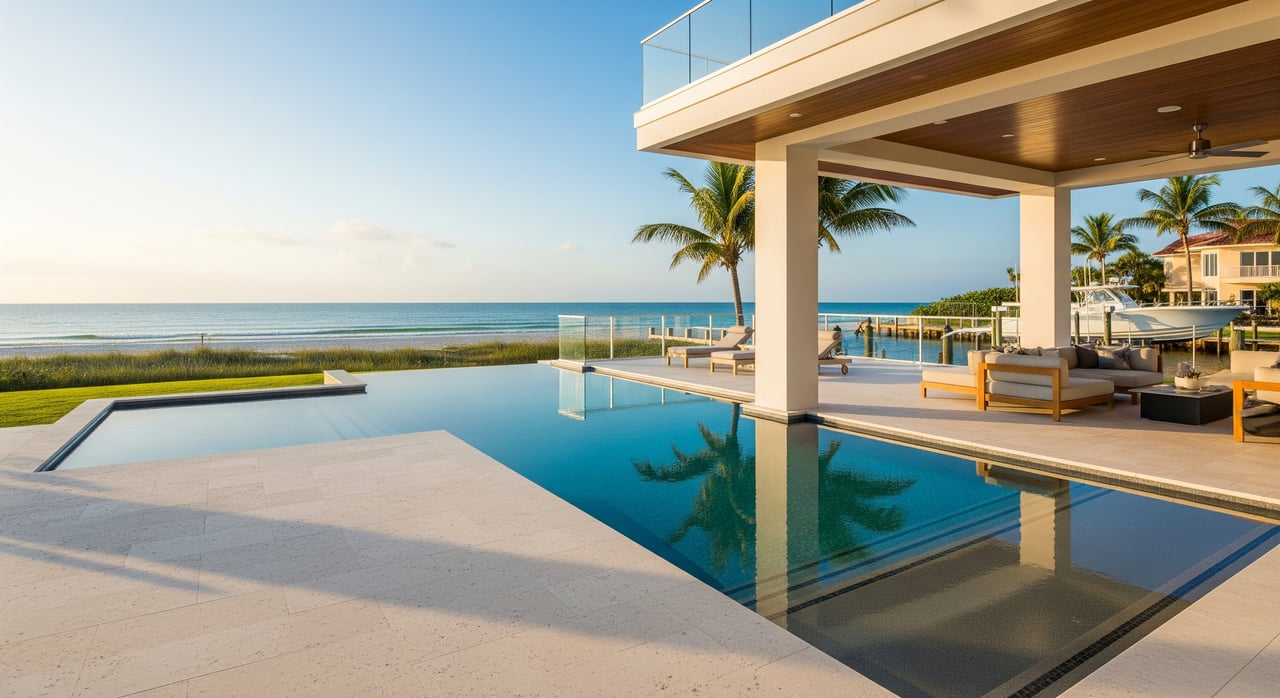
Picture your mornings in The Moorings: either stepping onto soft sand or easing your boat off a private lift. Both paths offer a signature Naples lifestyle, yet they feel very different day to day. If you are deciding between a gulf-front condo and a gulf-access canal or bayfront home, you want clarity on lifestyle, costs, and practical details before you commit.
In this guide, you will learn what each option means in The Moorings, how daily life compares, and which hidden costs and permits to plan for. You will also get a focused buyer checklist to use before you write an offer. Let’s dive in.
What gulf-front and gulf-access mean
Gulf-front in The Moorings generally refers to beachfront condominiums that sit directly on the Gulf of Mexico. You get immediate sand access from the property and panoramic water views. Most holdings along the beach are condos or low-rise buildings with shared amenities and a condominium association.
Gulf-access properties sit on canals, bays, or along Naples Bay with navigable frontage to the Gulf. Many of these are single-family homes that allow private docks and lifts, subject to permits. The route to open water varies by location and may include bridge clearances and depth considerations along canals and bays.
Local oversight applies to both settings. Dock, lift, and seawall work typically requires permits through Collier County and may involve state or federal agencies for coastal construction. Floodplain rules and FEMA maps apply throughout, and many waterfront parcels are in V or AE zones, which influences insurance requirements and premiums.
Daily-life differences
Views and beach proximity
- Gulf-front condos deliver direct Gulf views and the easiest possible beach access. You can walk out for sunrise walks, quick swims, and effortless guest access to the sand.
- Gulf-access homes offer intimate canal or bay views with a marina-like feel. The public beach is a short drive or boat ride away rather than at your doorstep.
Boating and marine use
- Gulf-front condos often have limited or no on-site deep-water docks. Some offer community slips or kayak storage, but many owners rely on marinas or trailering for boat access.
- Gulf-access homes are designed for active boaters. Private docks, lifts, and on-property storage simplify frequent outings and make it easy to reach Naples Bay and the Gulf.
- Practical checks matter. Confirm water depth at low tide, bridge clearances on your route, and any local restrictions that could limit boat size or timing.
Privacy and activity levels
- Gulf-front condos include shared spaces and proximity to public or community beaches, so you can expect more seasonal activity and visitors. Vertical living also means neighbors above and below you.
- Gulf-access homes usually feel more private with fewer passersby. You may hear occasional boat traffic or experience wake activity on certain canals.
Convenience and access
- Gulf-front condos place you closest to the sand and near coastal amenities. Parking can be limited, especially for guests, and rules vary by building.
- Gulf-access homes typically provide easier private parking and garage access. Reaching the beach requires a short drive or boat ride.
Rental potential
- Gulf-front condos tend to attract strong vacation demand when association and local rules allow short-term rentals because of direct beach access.
- Gulf-access homes appeal to boating-focused renters and longer stays, particularly when a private dock and lift are included. Actual demand depends on water access, route times, and property features.
Costs and ownership essentials
Purchase price and value drivers
Beachfront is scarce in The Moorings, and that limited supply usually supports higher per-square-foot pricing for gulf-front condos. Gulf-access homes with favorable canal depth, direct routes to the bay, and well-maintained docks or lifts also command premiums. In both cases, position on the water and functionality of access are key value drivers.
HOA dues vs homeowner obligations
- Gulf-front condos: You will pay HOA assessments that typically cover exterior maintenance, common-area insurance, building systems, beach or dune care, and amenities. The building’s age, reserves, and history of special assessments will affect your carrying costs.
- Gulf-access single-family homes: You shoulder direct costs for seawall maintenance, dock and lift repairs, landscaping, and exterior upkeep. Without a condo association, major capital items are your responsibility.
Seawalls, docks, and marine hardware
Canal and bayfront owners should budget for seawall upkeep and eventual replacement or reinforcement, depending on age and condition. Dock and lift repairs are routine line items. Beachfront condos generally do not have owner-level seawall costs, but dune and shoreline stewardship can show up in association expenses.
Insurance and natural hazards
Both settings face coastal risks from storm surge and hurricane winds. Many properties fall within FEMA high-risk zones, which means flood insurance is often required for mortgages. Windstorm coverage and deductibles vary by structure type and building age. Long-term considerations such as sea-level rise, erosion, and higher storm intensity can influence insurance expenses and future maintenance.
Permits and coastal rules
New docks and lifts, seawall work, and certain shoreline changes typically require permits through Collier County and may also involve state or federal approvals. Verify what has been permitted, what expires soon, and what is allowed on your specific lot before planning upgrades.
Taxes and operating costs
Property taxes reflect assessed value. Condo dues may include certain utilities or services, while single-family ownership places all operating costs with you. If rentals are part of your plan, review local rules for short-term stays and the applicable transient taxes.
Market signals in The Moorings
Waterfront homes in Naples generally show strong demand compared with non-waterfront properties. Scarcity supports gulf-front condo values, while functional boat access supports canal and bayfront pricing. Resale outcomes often hinge on the underlying condition and liabilities of the asset, including condo reserves and special assessments, or the condition of seawalls, docks, and lifts for single-family homes.
Gulf-front living tends to draw buyers who prioritize beach access and low exterior maintenance. Gulf-access living tends to attract boaters who value stepping onto a private dock and reaching open water from home. Understanding which lifestyle truly fits your day-to-day patterns will help you protect long-term value.
A practical buyer checklist
Use this list to frame due diligence before you submit an offer.
- Confirm the waterfront type. Verify whether the property is truly gulf-front with deeded or direct beach access, or canal or bayfront with riparian rights for a dock.
- Inspect the seawall and dock. Obtain reports and maintenance history for seawalls, docks, and lifts. Confirm that existing structures were properly permitted.
- Verify water depth and route. Measure at low tide, identify bridge air drafts, and map travel time from your dock to Naples Bay and the Gulf.
- Review flood zone and elevation. Request FEMA flood zone designation and the elevation certificate to inform flood insurance quotes and mitigation options.
- Study association documents. For condos or association homes, review the master insurance policy, reserve study, special assessment history, rental rules, boat or slip policies, and any dredging or seawall responsibilities.
- Get insurance quotes. Price flood, wind or hurricane, and property coverage for a true carrying cost picture.
- Clarify slip ownership. If a slip or lift is included, confirm whether it is deeded, assigned, or leased, and whether it transfers at closing.
- Ask about shoreline projects. For beachfront, inquire about dune profiles, beach nourishment history, and who bears future costs.
- Confirm zoning and rebuild rights. Understand setbacks, height limits, and elevation requirements in case of major damage or a future remodel.
- Verify utilities. Confirm current utility connections and any known system updates or requirements.
Gulf-front vs gulf-access: How to choose
If your perfect day starts with a quiet beach walk and ends with a sunset over the Gulf, a gulf-front condo will likely deliver the lifestyle you value. You will trade private docking for easy sand access and shared maintenance via an HOA.
If your ideal weekend is defined by early departures to fish, cruise, or reach the Gulf from your own dock, a gulf-access home may be the better fit. Plan for seawall and dock upkeep and confirm that your route to open water matches your boat and your expectations.
In both cases, the right choice pairs your daily routine with the property’s practical realities, including flood zone, insurance, and long-term resilience. The due diligence you complete before you buy will protect your enjoyment and your resale.
Ready to explore both paths in The Moorings and weigh them against your goals? Schedule Your Private Consultation with The Knox Brothers for a discreet, data-forward plan tailored to your timeline and lifestyle.
FAQs
What does gulf-front mean in The Moorings?
- Gulf-front properties are typically beachfront condos with immediate sand access and panoramic Gulf views managed through a condominium association.
What does gulf-access mean for canal or bay homes?
- Gulf-access homes have navigable water frontage to Naples Bay and the Gulf, often with private docks and lifts, subject to permits and route constraints like depth and bridges.
Can I keep a boat at a gulf-front condo?
- Often no, or only with limited community slips. Many gulf-front owners rely on nearby marinas or trailering for regular boating.
How long does it take to reach open water from a canal home?
- It depends on the exact route. Some homes are minutes to open water, while others require longer canal or bay transits and may have bridge clearance limits.
Which is safer in a hurricane, a beach condo or a canal home?
- Both face coastal risk from storm surge and wind. Elevation, flood zone, and construction details matter more than property type when evaluating relative risk and insurance.
Do canal homes have higher ongoing maintenance costs?
- They can, due to seawall, dock, and lift upkeep. Condo owners pay HOA dues that cover shared exterior and building systems, which shifts rather than eliminates costs.
Are beachfront condos easier to rent than canal homes?
- Generally yes for short-term vacation demand because of direct beach access, assuming association and local rules allow short-term rentals.