
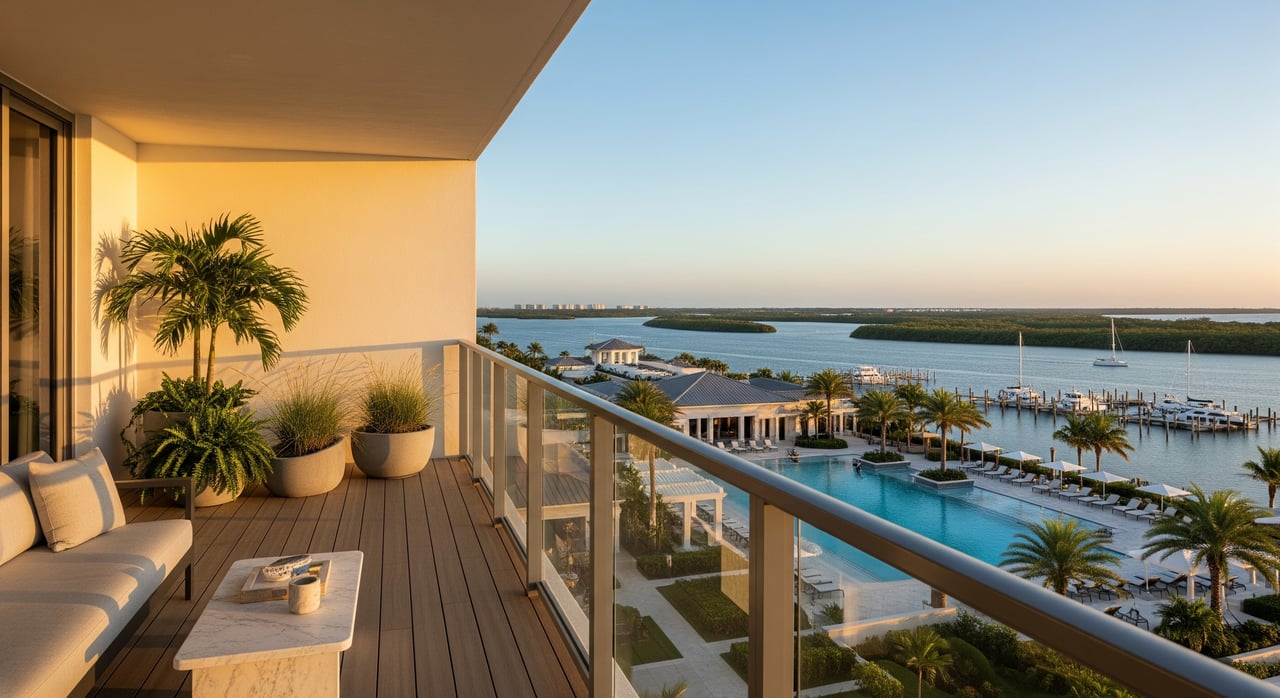
If you love the idea of private beach access, a breezy tram ride, and lock‑and‑leave ease, Pelican Bay can be a smart fit. As a first‑time condo buyer, you want clarity on what you actually own, which fees are mandatory, and how optional clubs work. In this guide, you will learn how Pelican Bay’s two‑tier structure affects everyday life and carrying costs, what to verify in documents, and how to reduce risk before you close. Let’s dive in.
What you own in a Pelican Bay condo
When you buy a condo in Pelican Bay, you typically own your interior unit in fee and an undivided interest in the common elements. The exact line between what you insure and what the association insures is defined in each building’s declaration and bylaws. Review those documents to understand what is walls‑in versus common elements, and how maintenance responsibilities are divided.
Pelican Bay is a planned community made up of many separate condominium associations. These associations are members of a community‑level master association that manages shared amenities and infrastructure. You participate in both levels, which affects your lifestyle and your budget.
Your condo vs the master association
Your individual building or complex runs day‑to‑day operations for the property. The master association, often called the Pelican Bay Foundation or a similar entity, usually oversees communitywide assets like beach access, tram service, boardwalks, perimeter landscaping, preserves, community roads, and shared recreation facilities. It also enforces community covenants, collects master dues, and manages programs and capital projects that benefit the entire community.
How master dues are billed can vary. In many cases the condo association pays master dues out of its budget, then includes that cost in your monthly fees. Some communities bill owners directly. Always verify the billing method so you know where master dues appear in disclosures and resale certificates.
Mandatory fees vs optional clubs
Condo HOA dues and master association dues are typically mandatory. These cover maintenance, insurance for common elements as defined in the declaration, management, staff, and reserve contributions, along with communitywide amenities run by the master association.
Optional clubs and private programs can add social, fitness, or dining benefits. These may have initiation fees, monthly or annual dues, separate governance, and sometimes waitlists. They are not the same as master association programs that are funded by mandatory dues, so confirm what is included and what is optional before you commit.
Amenities that shape daily life
Pelican Bay is commonly associated with lifestyle features that many buyers value. Exact offerings vary by building, so confirm details with the association.
- Private beach access and boardwalks
- Beach tram or shuttle service
- Multiple pools and fitness centers
- Tennis, pickleball, bocce, and other courts
- Walking trails and preserved natural areas
- Community centers, social rooms, and organized activities
- Guest parking and visitor policies
- On‑site management or property staff at larger complexes
Beach tram and access checks
Beach access and tram policies can differ across associations. Ask who may use the tram, how access is controlled, and whether the cost is covered by master dues or a separate fee. Confirm guest rules, rental occupant access, and hours of operation so your expectations match the community’s policies.
What it costs to own here
Your ongoing carrying costs usually include several pieces:
- Condo HOA dues that fund building operations, insurance for common elements per the declaration, amenities, management, staff, and reserves
- Master association dues for communitywide amenities and infrastructure
- Optional club initiation fees and dues where applicable
- Utilities, which may or may not include water, sewer, or trash
- Property taxes based on Collier County valuations
- Insurance for your personal property and interior improvements, plus liability
- Routine items like parking decals, gate cards, or pest control where applicable
Dues and fees vary widely across Pelican Bay due to product type, building age, included services, and amenity scope. Always confirm exact amounts in the current budgets and resale certificates for both your condo association and the master association.
Reserves and special assessments
Ask for the latest reserve study and compare recommended reserves with current balances. Review the history of special assessments and any planned capital projects for the next three to five years. Strong reserve funding can limit the likelihood of large surprise assessments.
Transfer and document fees
Expect administrative items such as transfer fees and estoppel or document fees during a sale. Who pays can depend on association rules and contract terms, so review the purchase agreement and association disclosures carefully.
Risk and protection essentials
Insurance responsibilities in Florida condominiums are defined by statute and by each declaration. Associations typically insure common elements and often the building structure, while you insure your interior improvements, personal property, liability, and may carry loss assessment coverage. Clarify whether the master policy is all‑inclusive or bare‑walls and confirm windstorm or hurricane deductibles at the association level.
Pelican Bay is coastal, so parts of the community can lie in FEMA flood zones. Lenders may require flood insurance, and it is often recommended regardless of zone. Check flood maps, any elevation data available, and speak with an insurance professional who understands Collier County coastal risks before binding coverage.
Pending litigation can affect risk and financing. Request disclosures and board meeting minutes to understand governance stability, recent projects, and any owner petitions or controversies that could signal future assessments.
Financing and resale impacts
Some lenders and loan programs require the condominium project to meet specific approval criteria. If you plan to use FHA or VA financing, verify whether the project is approved. Reserve strength, rental restrictions, and the percentage of commercial space can all influence loan eligibility.
Owner‑occupancy ratios and minimum lease terms vary by building. If you plan seasonal use or rental income, review leasing rules and enforcement history early. Alignment between your plans and the association’s rules supports both financing and future resale.
Your Pelican Bay due diligence checklist
Gather these documents before you commit, or make them contingency items in your offer:
- Declaration, bylaws, articles, and rules for the condo association
- Current operating budget and recent financial statements, including the latest reserve study
- Master association governing documents, budget, and financial statements
- Resale certificate for the condo association that covers assessments, delinquencies, insurance, and rules
- Master association disclosure or estoppel for master dues and any assessments
- Board meeting minutes for both associations for the past 12 to 24 months
- Certificates of insurance and details on hurricane or windstorm deductibles
- Condominium questionnaire often required by lenders
- Litigation disclosures and claims history
- Rental and pet policies, guest policies, and parking rules
- Records of special assessments and capital projects, planned or in progress
- Recent invoices or contracts for major services like landscape, tram, or beach maintenance
Key questions to ask
- How are master dues billed and how often? Are they included in condo dues or billed directly to owners?
- Which amenities are included in mandatory dues, and which are part of optional paid clubs?
- Who can use the beach tram and how is access verified for owners, tenants, and guests?
- Are there initiation fees, waitlists, or separate boards for optional clubs and programs?
- What are current reserve balances compared with the most recent reserve study recommendations?
- Are there large capital projects or likely assessments in the next three to five years?
- Is the project approved for FHA or VA financing, and are there lender restrictions to note?
- What are the association’s hurricane or windstorm deductibles?
- What is the rental policy and minimum lease term? Any rental caps or short‑term restrictions?
Practical tips for first‑time buyers
- Expect variability. Do not assume that one building’s rules or dues match another’s, even within Pelican Bay.
- Define “maintenance included.” Some condos include certain utilities or services, while others do not.
- Mind the insurance gap. Confirm the master policy scope so your HO‑6 and loss assessment limits fit your exposure.
- Clarify beach and tram transfer steps. Ask whether access passes transfer at closing or require new credentials and fees.
- Read the minutes. Board stability and recent decisions often foreshadow assessments and rule changes.
- Confirm loan options early. Project eligibility affects timelines and terms, especially for FHA and VA buyers.
Next steps
Request association documents, review budgets and reserve studies, and speak with your lender and insurance advisor early. If Pelican Bay’s mix of beach access, amenities, and managed convenience aligns with your goals, you are ready to refine a short list of buildings that fit your lifestyle and budget. For discreet guidance, document review, and a curated search of on‑market and private opportunities, connect with the Knox Brothers for a private consultation.
FAQs
What does a Pelican Bay condo buyer actually own?
- You typically own your interior unit in fee plus an undivided interest in common elements, with exact responsibilities defined in the condominium declaration and bylaws.
How do Pelican Bay master association dues work?
- Dues are either paid by your condo association and included in your fees or billed directly to you, so confirm the method for your specific building.
Are Pelican Bay clubs mandatory or optional?
- Mandatory fees cover your condo and master association; private clubs are optional and may have initiation fees, dues, and separate governance.
What amenities are usually included in Pelican Bay?
- Common features include private beach access, tram service, pools, fitness centers, courts, trails, and community programs, but confirm details by building.
What insurance do Pelican Bay condo owners need?
- Associations insure common elements per the declaration; you typically carry an HO‑6 for interior improvements, personal property, liability, and loss assessment.
How do leasing rules affect financing in Pelican Bay?
- Owner‑occupancy, lease terms, and rental caps can affect project eligibility for certain loans, so verify rules and lender requirements early.
What should I review to avoid special assessment surprises?
- Compare reserve balances to the latest reserve study, read recent meeting minutes, and ask about planned capital projects for the next three to five years.